
One of the greatest challenges that all crop farmers face is weed control, and none more so than those who farm organically. Weeds use up valuable nutrients, which can stunt plant growth, or in extreme cases with little intervention, can choke out crops completely. In the case of conventional farming, farmers are able to effectively eliminate weeds with the use of herbicides or GMO seeds, but most herbicides are not certified for use in organic fields, nor are genetically modified seeds. Perennial weeds can even pass on their genetic knowledge to their offspring, meaning that weeds like pigweed and water hemp can produce chemically resistant seeds. This causes problems for any farmer wishing to transition their fields to organic, or those who deal with chemically resistant weeds. Now they must seek alternative methods of weed suppression and eradication.
This can seem like a daunting task to most farmers, especially those who are familiar with the ease and availability of chemical herbicides. Methods like hand weeding, mechanical cultivation, crop rotation, cover planting, and the sourcing of natural herbicides can seem like a whole new language to one who has only ever needed to spray their fields periodically in order to have profitable yields. The fact of the matter is, these particular methods are labor intensive and, in most cases, expensive. Naturally then, there has been an upsurge in recent years of finding effective, efficient methods of weed control that also won’t break the bank. Some ideas include flame and laser weeding, mowing, solarization, microwave technology, and electricity. However interesting some of these technologies may be, they are not all alike in terms of being effective. Here we will show some of the pros and cons to some common weed management systems.
Perhaps the simplest sounding of all of the methods of weed elimination is the use of natural herbicides, especially for farmers that are transitioning from conventional farming to organic. Natural herbicides, also called organic herbicides, are chemicals that are naturally occurring or naturally derived, like acetic or citric acids, eugenol, or 2-phenethyl propionate. These work by destroying the plant tissue. Organic herbicides work quickly, and are referred to as contact herbicides, meaning that the herbicide must have contact with the plant in order to be effective. However, this also means that the herbicide can only affect the parts of the weed that it is applied to, so that the roots of the plant remain intact. This is not effective on weeds that have rhizome root systems, like Johnson grass, thistle or bindweed. This also means that the entirety of the weed must come in contact with the herbicide in order to be damaged enough to halt growth.
There is also the issue of sourcing natural herbicides in large enough quantities to be both useful and cost efficient. The effort of extracting naturally occurring chemicals can be painstaking, driving the cost up. While this may not cause any issue to the backyard grower, for any larger operation this becomes a huge concern.

Most organic farmers are familiar with the different types of mechanical weed management, as these tend to be some of the most widely available kinds of organic weeding. Mechanical weed control includes options like tillage, hoeing, mechanical cultivation, tine weeding, flame weeding, and hand weeding. These methods work by disturbing soil and uprooting between row weeds. Techniques like this are most effective when used on early or even preemergent weeds (as in the case of flame weeders), but can be more difficult as plants mature. Mechanical weed suppression can be beneficial for soil health, as the disturbance of soil can reduce soil compaction and redistribute necessary nutrients.
However, these particular methods have caught some negative attention in years past, due to their possible promotion of the erosion of the soil surface. Furthermore, while laser and GPS driven machinery has now been developed, it can take years of practice to become proficient in the use of certain machinery like cultivators and tine weeders, which, used improperly, can eliminate entire rows of crops.
Another method of weed management that has lately gained popularity is electric weeders. Often lumped with flame weeders and other mechanical weed suppression systems, electric weed control distinguishes itself through its longevity of use during the growing season, the variety of crops it is able to be used on, and ability to take fields from weed infested to weed free. With electric weeders, such as The Weed Zapper, a copper bar is charged with electricity produced by a separate generator. This bar is then floated above the row crop canopy by a boom. Anything that comes in contact with the bar subsequently receives a charge. The amount of damage is determined by the type of contact made.
In branching or bush-like plants, the electricity will only damage the plant up to the central stem, unless the bar makes contact with the central stem. In grasses, the bar does not have as much contact time, therefore two or more passes may be needed. However, in broadleaf weeds, like ragweed, a single pass making contact with the central stem will kill the entire weed nearly one inch down through the root.
Electric weeders are also environmentally friendly, since there can be no chance of harmful residue lingering on plants and little to no soil disturbance. Additionally, because of the high electric charge that most electric weeders work with, weeds are damaged beyond repair immediately after making good contact with the bar. This same high charge also ensures that all weed species cannot develop any sort of resistance, like they may to chemical herbicides.
Too, using electricity on weeds affects the viability of weed seeds. In his study involving The Weed Zapper, MU Extension weed scientist Kevin Bradley said that nearly 65% of surviving weed seeds were no longer viable after being exposed to electric shock. (Geist, Linda. Weed Electrocution Research Sparks Interest as Herbicide Resistance Impedes Current Methods.) This makes electric weeders a game changer for farmers battling chemical resistant plants like water hemp and Palmer amaranth, which can produce thousands of seeds over the course of the growing season. Kevin Bradley has continued his work with The Weed Zapper, saying “We would stop working with weed electrocution, but we just keep learning stuff all the time. Every year, we learn something new.” (Ward, Mindy. “Electrocute Pasture Weeds and Even Small Trees.”) To learn more about the studies following The Weed Zapper, or see what other products Old School Manufacturing offer, check out: https://theweedzapper.oldschoolmanufacturing.com/.
Biological weed control is the use of beneficial insects or grazing animals to help eradicate weeds. In insect cases, certain insects are released that target specific weeds as a host, like the cinnabar moth, which feeds on tansy weed. Or, grazing animals like goats are used to eliminate weed pressure in certain areas. While these techniques are environmentally friendly and organic certification compliant, they are not viable options for any mid-to-large scale farming operations. This is due to the inefficiency of keeping animals from eating crops, and an inability to source as many insects as would be needed to effectively eliminate weeds.
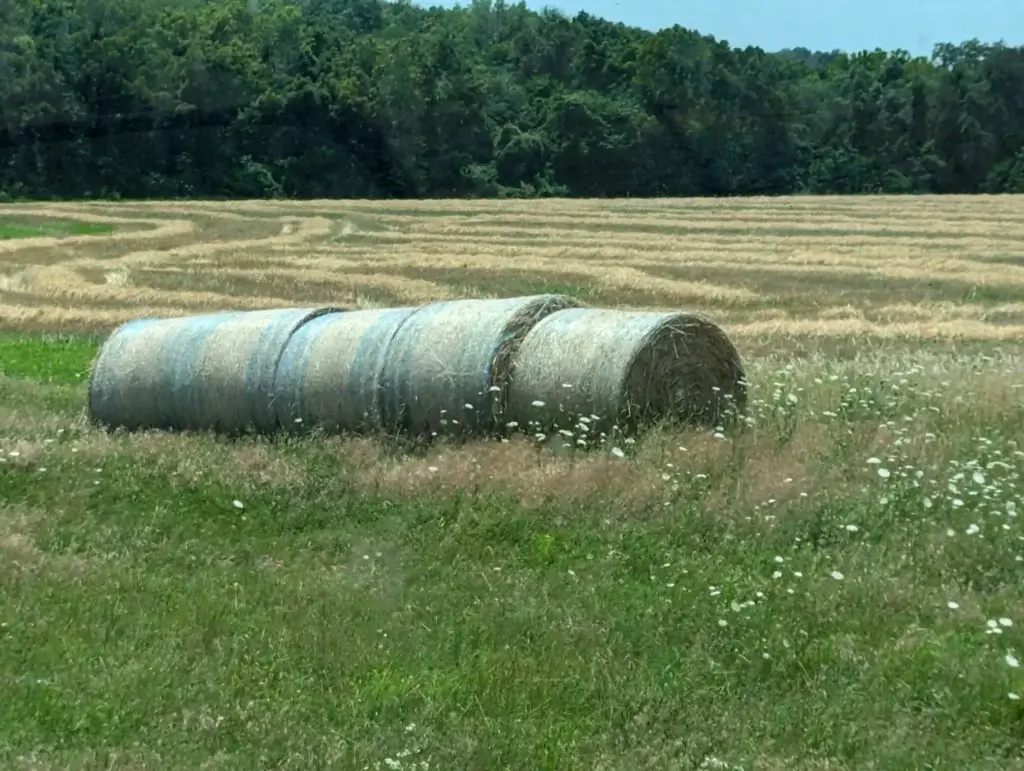
One of the greatest considerations of all organic farmers is the health of the soil they are planting in. Different crops need different soils to thrive, and correcting soil pH, soil structure, and the microorganism ecosystem can cause both a successful crop and lower weed pressure. One such practice is the act of mulching, also called no-till, where farmers plant a cover crop, like rye or vetch, and allow it to grow up, before roller crimping and chopping the cover crop into mulch. Growers can then incorporate this organic matter into the soil to improve soil fertility and impart necessary nutrients. Planting cover crops can also suppress early spring weed germination and reduce soil compaction over the winter.
Another tactic for reducing weed pressure can be crop rotation, where farmers alternate crops in order to give soil a break from the same plant family, which can make continual demands on the same nutrients in the soil. An example of this would be planting vegetables after a harvest of legumes. Crop rotation can also disturb the lifecycle of certain pests, and reduces the risk of developing resistant pests and weeds.
In organic farming, farmers rarely use just one form of farming system. The vast majority prefer instead to use a combination of multiple forms of weed control to keep fields clean. This approach allows farmers to target multiple weed species at different life stages. An example of this would be integrating crop rotation, cover crops, cultivation, and electricides over the course of an entire growing season.
Of course, this is by no means a “one size fits all” approach, but instead allows for greater customization of different weed management tactics. This is beneficial to all farmers, as it allows each farmer to decide what is going to be the most useful and effective for his crop. The most important thing for those wanting to implement any sort of system is to take a step back and consider what options are going to be the most profitable, the most efficient, and are going to be the best long term. For some, that may mean investing in new equipment that makes the job easier. For others, maybe sourcing an organic herbicide is the best answer. Whatever the tool chosen, effectively incorporating it into your weed management strategies can take weed populations from many to few.
While settling on a weed control strategy can seem like a daunting task, having the right information at your fingertips can make all the difference. Utilizing methods like electric weeding, herbicide spraying, cultivation, cover cropping, and soil management that have proven track records can make the decision easier. Too, it is important to choose methods with consideration for their environmental impact, especially for organic farmers, who know that the more they build up their fields, the more profitable they will be in the long run. No one wants to have to let their fields sit fallow because they are so overrun as to be useless! Additionally, it is essential to come up with a main strategy before the growing season arrives. Planning to use at least two or three methods of weed control will both help to keep weeds at bay, and to catch any late season strays. With a bit of planning and understanding of how different weed control systems work, the decision to implement a successful weed control plan becomes much simpler.
For questions about The Weed Zapper, please see our website https://theweedzapper.oldschoolmanufacturing.com/, or call (660) 851-8800.

 English
  Spanish
  French
  German